
Custom simulations for high-stakes jobs.
We make custom simulations for learners to practice and apply real decisions before they encounter them on the job.
89%
improvement in job performance when simulations used in role-based onboarding.
45%
faster time to proficiency when simulations used for high-stakes role reskilling.
Source: Global Growth Insights; 2026 Q2 10x Impact Survey
Trusted By




Onboarding and job shadowing lacks practice spaces for risky decisions.
Simulations close the gap between knowledge retention and performing it under pressure. They give learners a safe place to practice decisions their role depends on, so mistakes happen in a controlled setting instead of on the job.
Job reskilling is growing the need for simulated practice.
6 out of 10
of today’s workforce will require reskilling into more complex roles over the next four years.
Source: World Economic Forum, The Future of Jobs Report (Jul 2026)
As the workforce reskills to more complex roles, simulations are essential for practice motions currently learned via shadowing or in the field.
From knowledge retention to procedural memory.
Knowing what to do, and situationally applying how to do it are two different things. Short, repeated lessons help people remember, but rounds of simulated scenario-based practice lift performance and sustain quality.
77%
fewer procedural errors before performing a task on the job, when simulations are used for onboarding with a defined mastery standard.
Game mechanics tailored to you.
We combine game design principles with learning science to create simulations purpose-built for your company’s unique environments, context and roles.
On‑screen Metrics
Defines and makes the standard visible on-screen, so learners know the KPI impacts based on their actions.
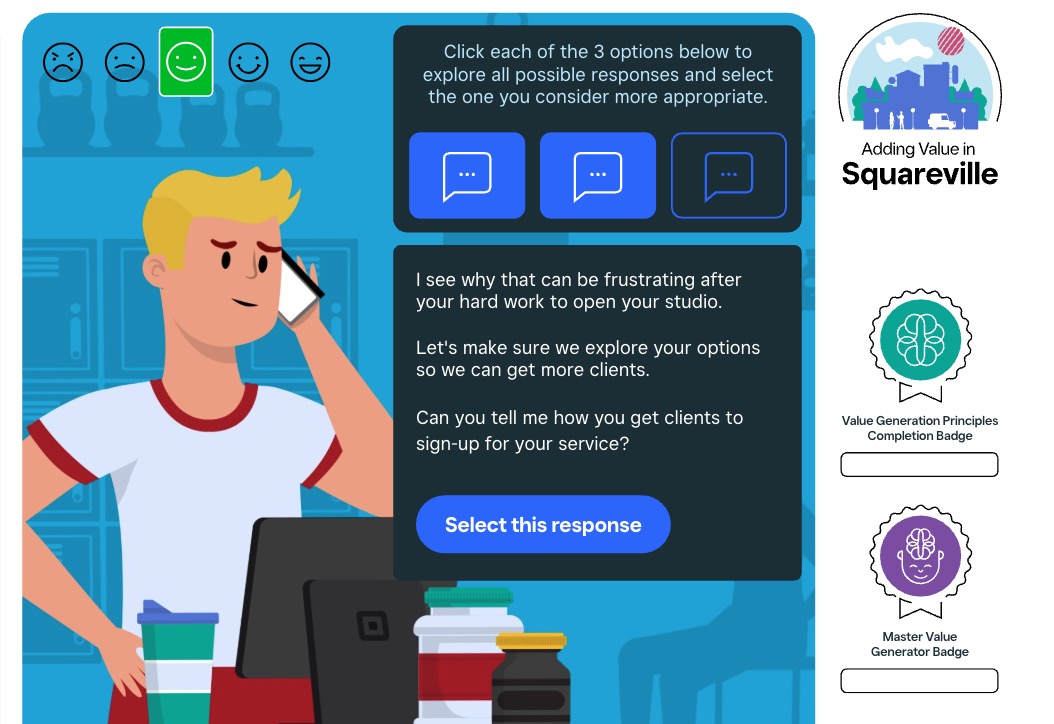
Value Add Consultative Selling
Feedback Loops
Shows the direct consequences of judgment calls, providing coaching for corrective action and the ability to replay.
Experience Visa Onboarding: How Money Flows
Edge-Case Judgment
Escalates pressure step-by-step, presenting rare but critical scenarios that test true adaptability.
Plant Reliability and Maintenance Troubleshooting
Iterative Mastery
Drives deliberate, continuous practice rather than a one-and-done compliance check.
Workplace Safety Certification
Client simulations
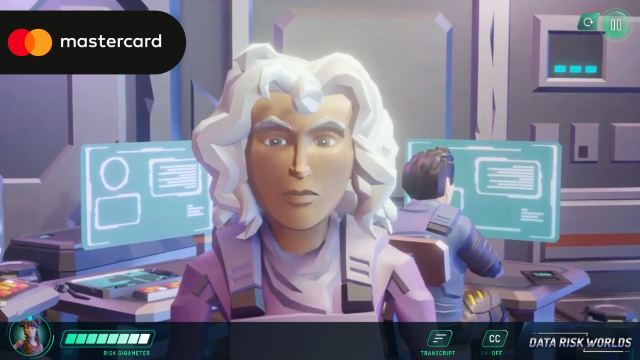 Mastercard
Data Risks and Compliance
Apply core data risk concepts, identify basic compliance risk signals, identify legal issues, and spot high-level security vulnerabilities.
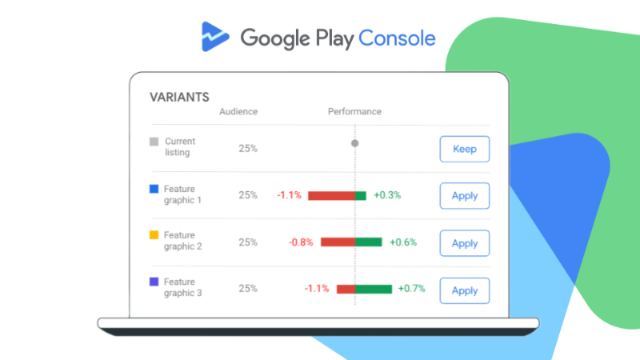 Google
Play Console App Growth Tools
Test out different versions of your app's store page, track how people find it, and see how your changes affect downloads.
Block Inc.Consultative Selling at Square
Apply value-selling principles and product proficiency across complex set of customer situations and product configurations.
 Google
Product Knowledge Proficiency
Evaluate YouTube support workforce to validate their readiness for more complex ticket queues as they demonstrate product suite mastery.
 Google
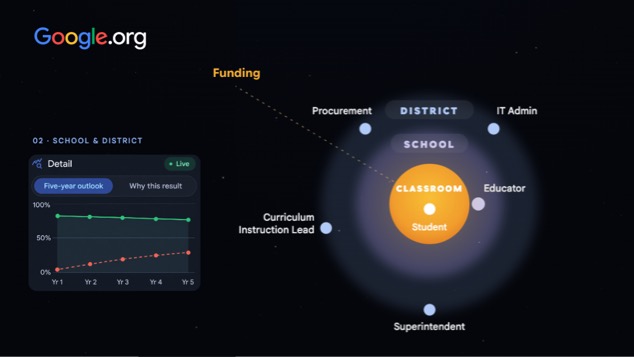
EdTech Ecosystem Impact
Used by analysts to evaluate investment impact across intersections of institutional structures and technology dynamics.
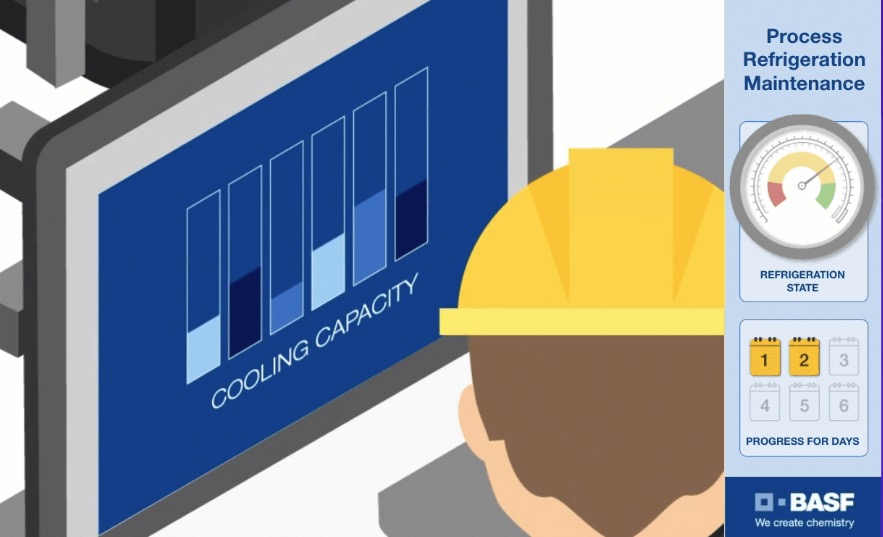 BASF Chemical
Diagnostics and Troubleshooting
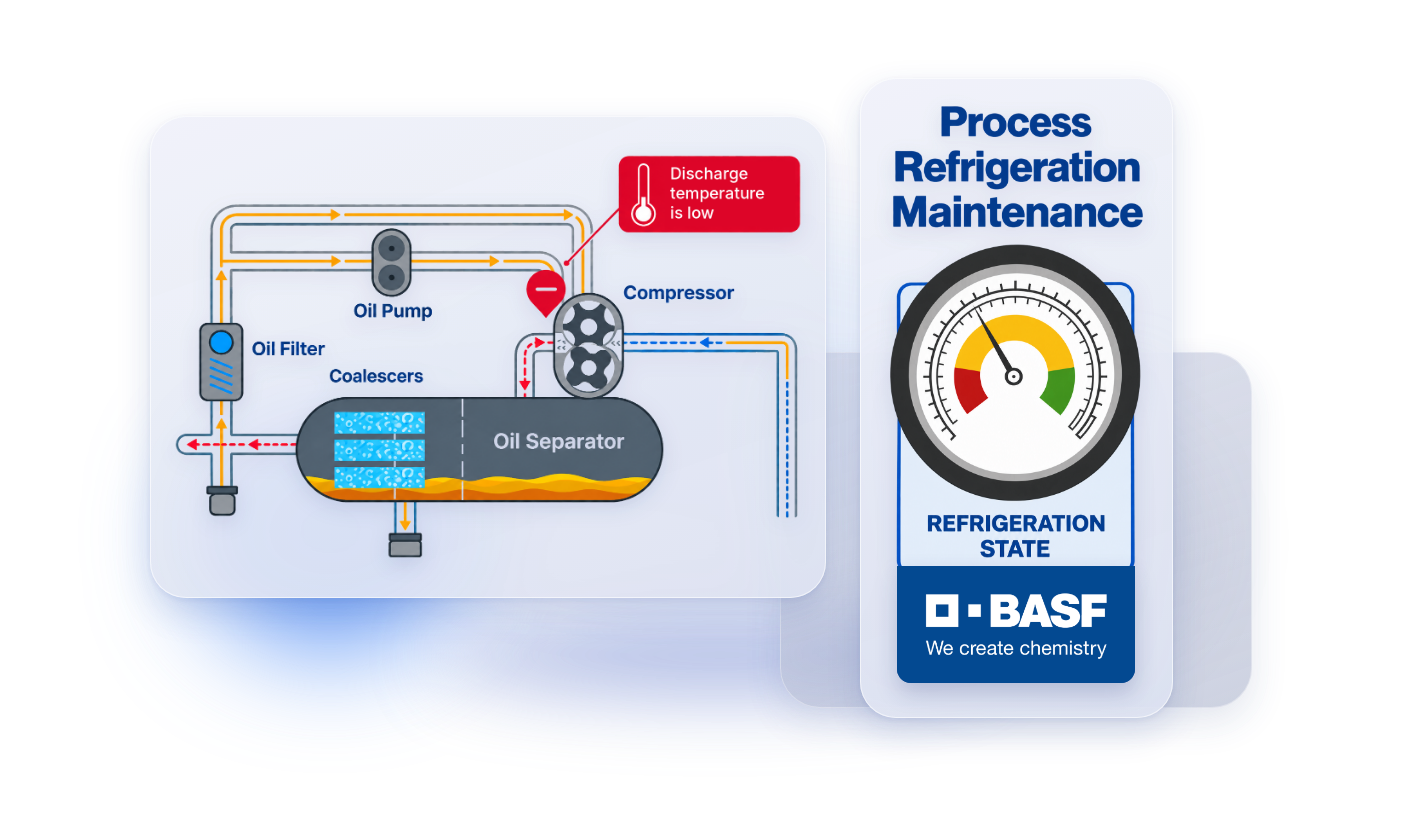
Apply root cause analysis, systematically analyze pressure and temperature data to resolve high-stakes cooling systems issues.
Built for transfer to the job.
Simulations aren’t a single solution. They bridge the gap between information fluency and real-world practice to raise training effectiveness and future-proofing job readiness.
Coursework creates the foundation
Establishes baseline performance standards for the target job or workflows.
Simulations build judgment and situational mastery
Often used in onboarding, simulations give learners a safe space to make mistakes, build repetition, incorporate situational feedback and refine judgment.
Practical application on the job
Drives learning transfer through independent execution of role-based tasks.
Custom simulation FAQs
Get a demo and consult.
We’ll demo examples relevant to your needs and discuss ways to approach your current situation.
Custom demo and working session
Tailored recommendations and next steps
No cost, no commitment or hassle from us
Schedule a demo discussion
Pick a time (30 min)
We sent you more information.
Something went wrong. Please try again.
Sources: Global Growth Insights (2025 Market Analysis); World Economic Forum, Future of Jobs Report 2025; Mascheroni et al. (2026); Passalacqua et al. (2025); Rodionova (2026), AI-Powered Simulator Design Principles for Skill Transfer; 2026 Q2 10x Client Impact Survey.